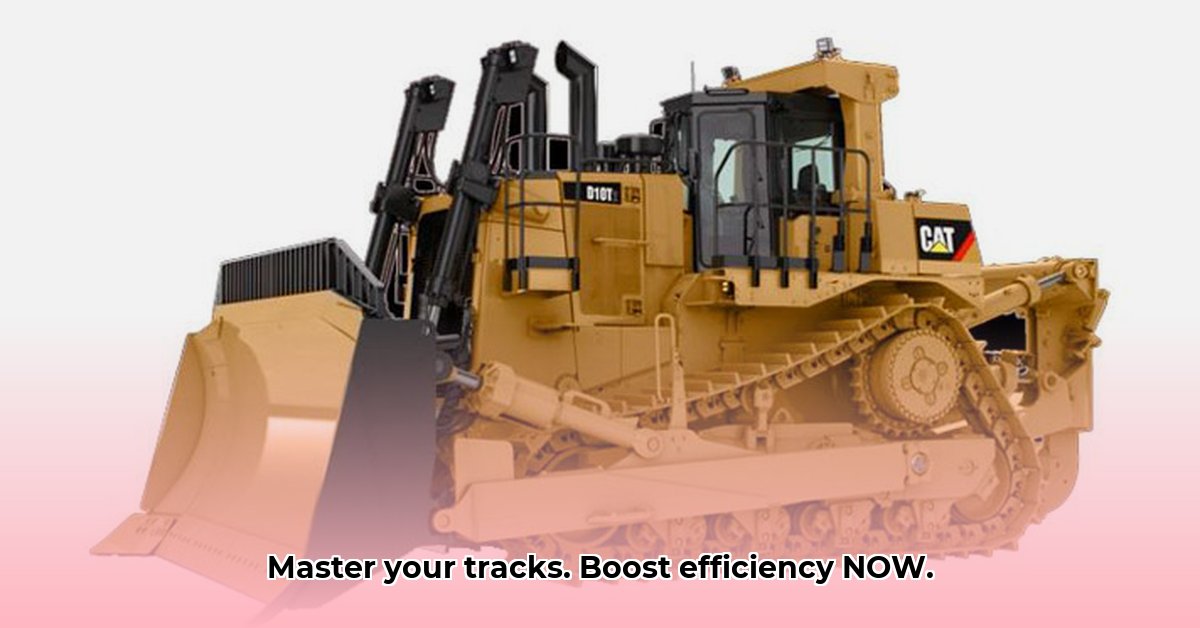
Understanding Caterpillar Track-Type Tractors and Their Applications
Caterpillar track-type tractors, commonly known as dozers, are indispensable in construction, earthmoving, and land clearing. Their robust design and powerful engines make them ideal for a wide range of tasks, from road building and site preparation to land leveling and material handling. Choosing the right dozer significantly impacts project efficiency and cost-effectiveness. A poorly chosen machine can lead to delays, increased operational costs, and safety concerns. This guide empowers you to make informed decisions. What are the key factors you should consider before making a purchase? For information on other tracked tractors, see this tracked tractor guide.
Key Features and Specifications
Several critical features distinguish Caterpillar dozers and influence their suitability for specific applications:
Engine Power and Fuel Efficiency
Engine horsepower directly correlates with pushing power. Higher horsepower translates to greater material-moving capacity, but often at the cost of increased fuel consumption. Selecting the right horsepower requires balancing performance needs with operating costs. A smaller project may benefit from a fuel-efficient model, while large-scale projects justify the investment in a higher-powered engine. What is the optimal balance between power and fuel efficiency for your project?
Blade Design and Application
Dozer blades are designed for specific tasks:
- Straight blades: Ideal for general-purpose material pushing and spreading.
- Angle blades: Provide versatility for material control and maneuvering in confined spaces.
- Universal blades: Combine the functionalities of straight and angle blades, enhancing flexibility.
Understanding how blade design affects material handling is vital for optimizing efficiency. Accurate blade selection ensures you achieve the desired results effectively. What blade type optimizes your project's specific needs?
Undercarriage Components and Durability
The undercarriage—tracks, rollers, idlers, and sprockets—directly impacts performance, stability, and lifespan. Regular inspection, lubrication, and maintenance are essential for minimizing wear and tear. The choice of undercarriage components should consider the anticipated operating conditions. Tougher terrain requires a more robust undercarriage, though this may involve higher initial investment. How does your chosen undercarriage contribute to overall machine longevity?
Hydraulic Systems and Operation
The hydraulic system powers the dozer's functions. Modern systems often feature sophisticated electronic controls, providing enhanced precision and responsiveness. Regular maintenance of the hydraulic system is vital for reliable and efficient operation. Maintaining optimal hydraulic pressure is critical for smooth and efficient blade control. What level of hydraulic system control best suits your technical expertise?
Control Systems and Operator Interface
Modern dozers boast advanced control systems that enhance both precision and operator comfort. Features like ergonomic seating, climate control, and intuitive interfaces improve operator productivity and reduce fatigue. These features, while adding to initial cost, can improve operational efficiency and minimize operator error. What level of technological sophistication is right for your operators?
Safety Features
Caterpillar incorporates crucial safety features like ROPS (Rollover Protection Structure) and FOPS (Falling Object Protection Structure) to safeguard operators. Understanding and utilizing these safety mechanisms is paramount for safe operation. Regular inspection of these safety features is critical for maintaining a safe working environment. What safety checks should operators perform before each use?
Selecting the Right Dozer: A Step-by-Step Guide
Choosing the right Caterpillar dozer involves careful consideration of several factors:
Assess Project Requirements: Evaluate project scale, soil type, terrain, and workload to determine the necessary machine size and capabilities. A thorough assessment is crucial for matching the dozer to your project's demands.
Compare Caterpillar Dozer Models: Use official Caterpillar resources and consult with dealers to compare models that meet your assessed needs. Carefully review specifications, paying close attention to key features like engine power, blade type, and undercarriage components.
Analyze Operating Costs: Consider Total Cost of Ownership (TCO), factoring in purchase price, fuel consumption, maintenance, repairs, and resale value. Caterpillar's Value Estimating Tool (VET) can assist in this analysis.
Prioritize Dealer Support: Choose a dealer with a proven track record for prompt parts delivery, efficient service, and comprehensive training programs. Reliable support minimizes downtime and ensures long-term equipment performance.
Operation and Maintenance for Optimal Performance
Proper operation and maintenance are vital for maximizing the lifespan and efficiency of your Caterpillar dozer.
Pre-Operational Checks: Always conduct thorough pre-shift inspections, checking fluid levels, inspecting tracks and undercarriage components, verifying control functionality, and assessing the surrounding environment for hazards.
Proper Operating Techniques: Master proper blade control, avoid overloading, operate within design limits, and follow established operating procedures for various tasks. Proper operation minimizes wear-and-tear and maximizes efficiency.
Routine Maintenance: Adhere to Caterpillar's recommended maintenance schedule for fluid changes, undercarriage lubrication, filter replacements, and system cleaning. Preventative maintenance prevents costly breakdowns and ensures long-term productivity.
Troubleshooting: Familiarize yourself with common issues and their solutions. Preventive maintenance is significantly cheaper than unexpected repairs. Maintaining detailed logs of maintenance, repairs, and fuel consumption aids future planning.
Conclusion: Maximizing Efficiency and Lifespan
Selecting and operating a Caterpillar track-type tractor effectively involves careful planning, thorough understanding, and consistent maintenance. By following these guidelines, you can significantly enhance project efficiency, reduce costs, and extend the lifespan of your equipment. Continuous learning and consultation with Caterpillar dealers are crucial for staying informed about the latest advancements and ensuring optimal performance of your investment.